Starting from the Basics
All true teas are made from the leaves of the tea plant, which is called Camellia Sinensis. There are also herbal teas, which aren't considered true teas because they don't come from the Camellia Sinensis plant. True teas all have some amount of caffeine, with the amount depending on how the leaves are processed, while herbal teas typically don't have any caffeine. The flavor of true teas depends on how the leaves are processed as well.
White Tea
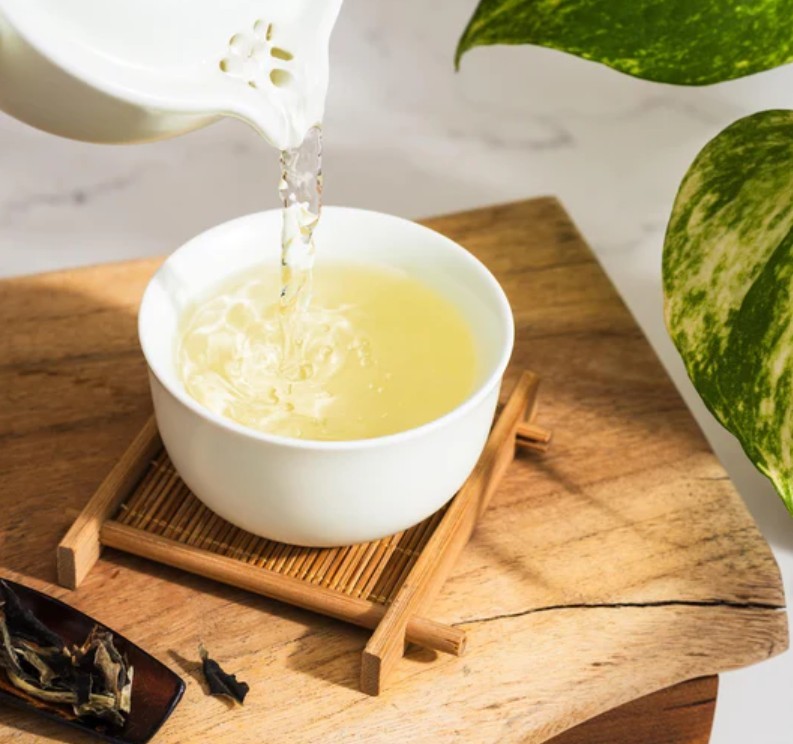
White tea is the least processed form of tea, sometimes made from the young leaves/buds of the Camellia Sinensis plant (like silver needle tea) and sometimes from more mature leaves (like white peony tea). The only processing it undergoes is the drying (to prevent oxidation) and withering (to get rid of excess moisture) of the leaves. This results in white teas generally having a more subtle light flavor to them. White tea often has the lowest caffeine content out of the true teas, primarily because it is meant to be brewed for a shorter duration and at a lower temperature than black tea for instance, lowering caffeine extraction.
Green Tea
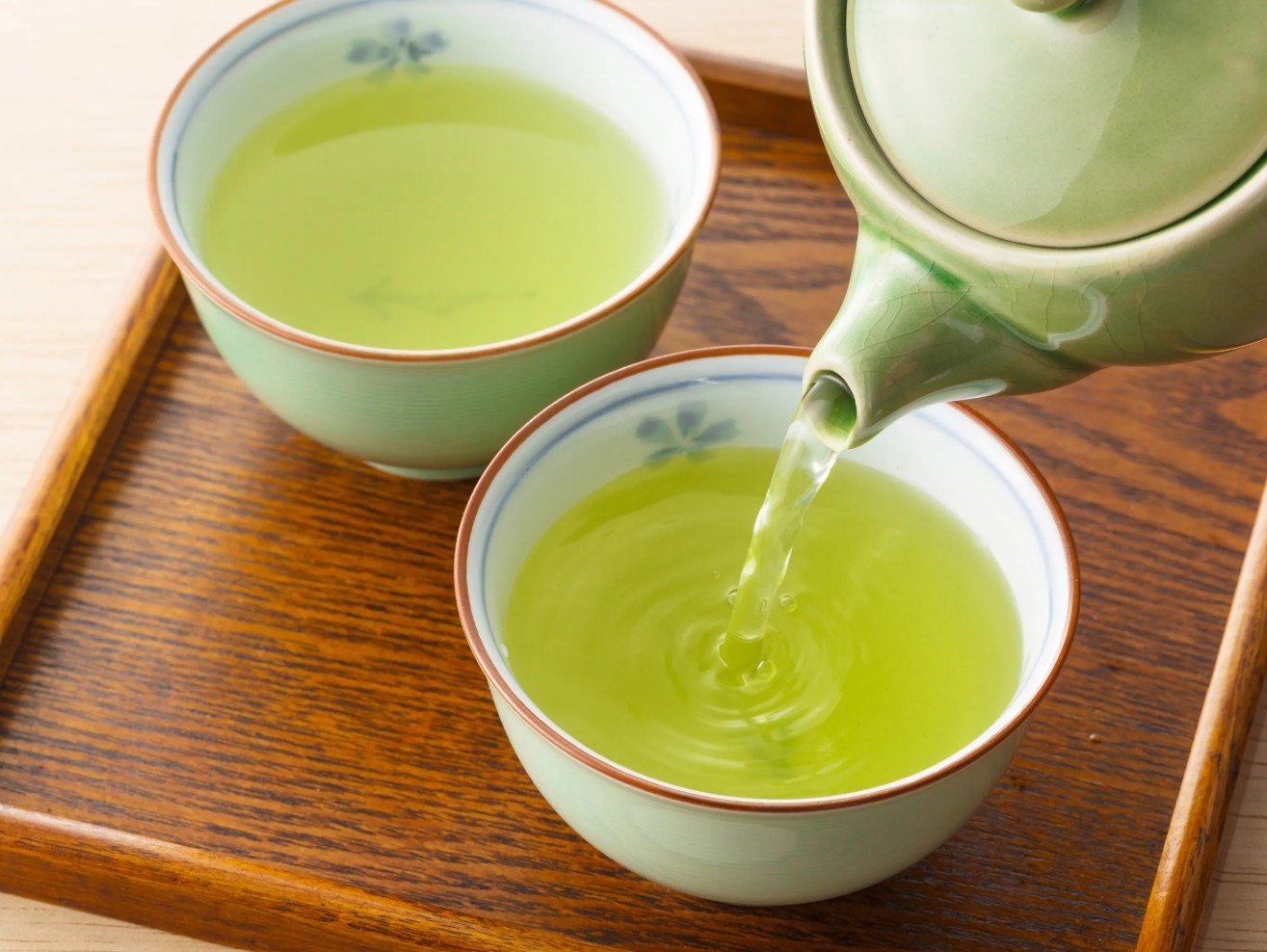
Green tea is a more processed tea than white tea, undergoing withering of the leaves before they are steamed or pan-fried, and then rolled or shaped. Green tea gets to oxidize a little more, but the oxidation is still halted pretty early on. These teas generally have a fresh bold flavor, usually stronger than white tea.
Yellow Tea
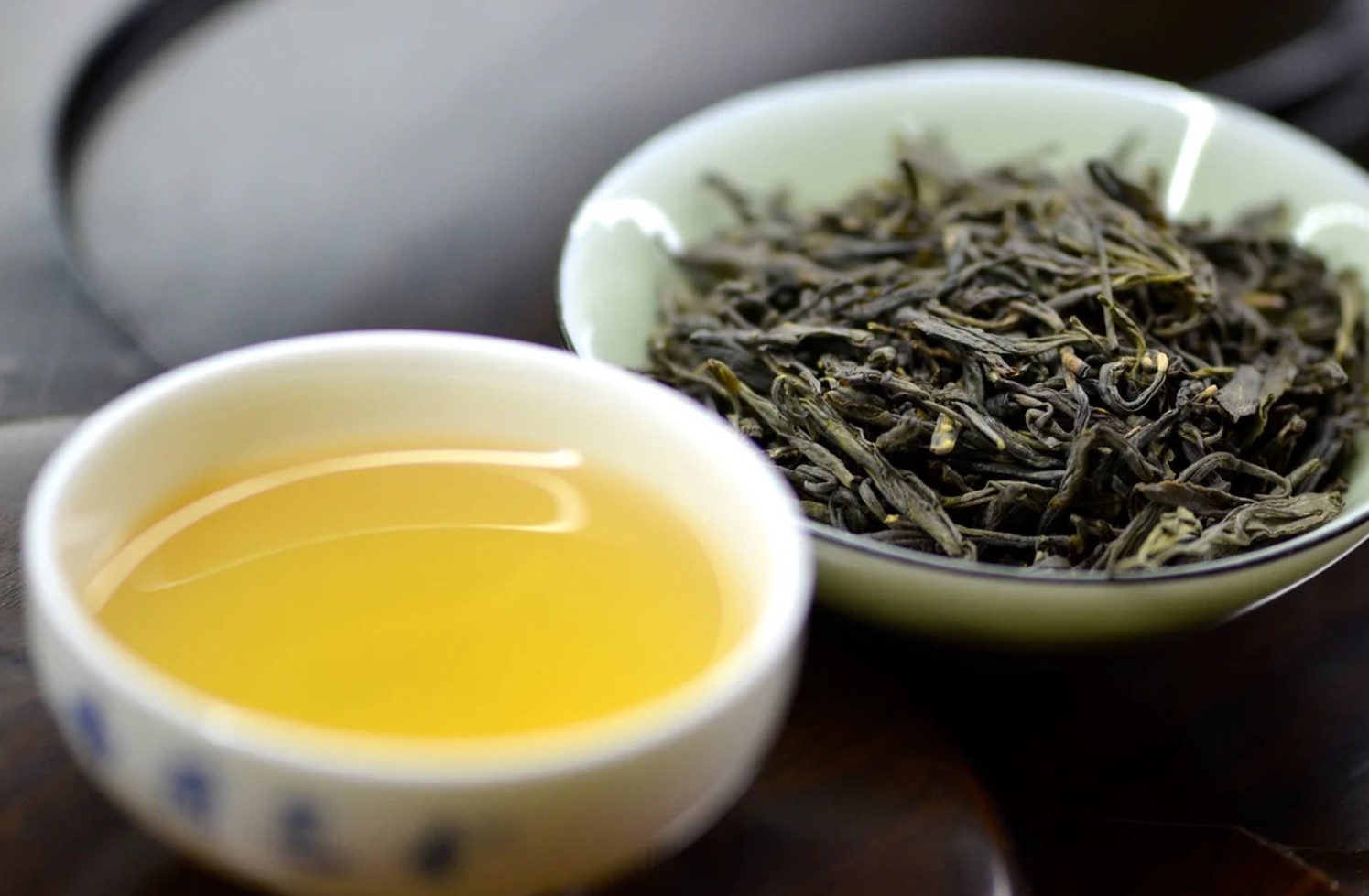
Yellow tea is quite similar to green tea but far less common, with most people having never even heard of it. There's an added level of processing where the leaves are wrapped in paper and then steamed, which slows oxidation and gives yellow tea a mellower sweeter flavor than green tea. Because of how much more time and labor it takes to make yellow tea compared to other teas, there isn't very much of it that gets produced.
Oolong Tea
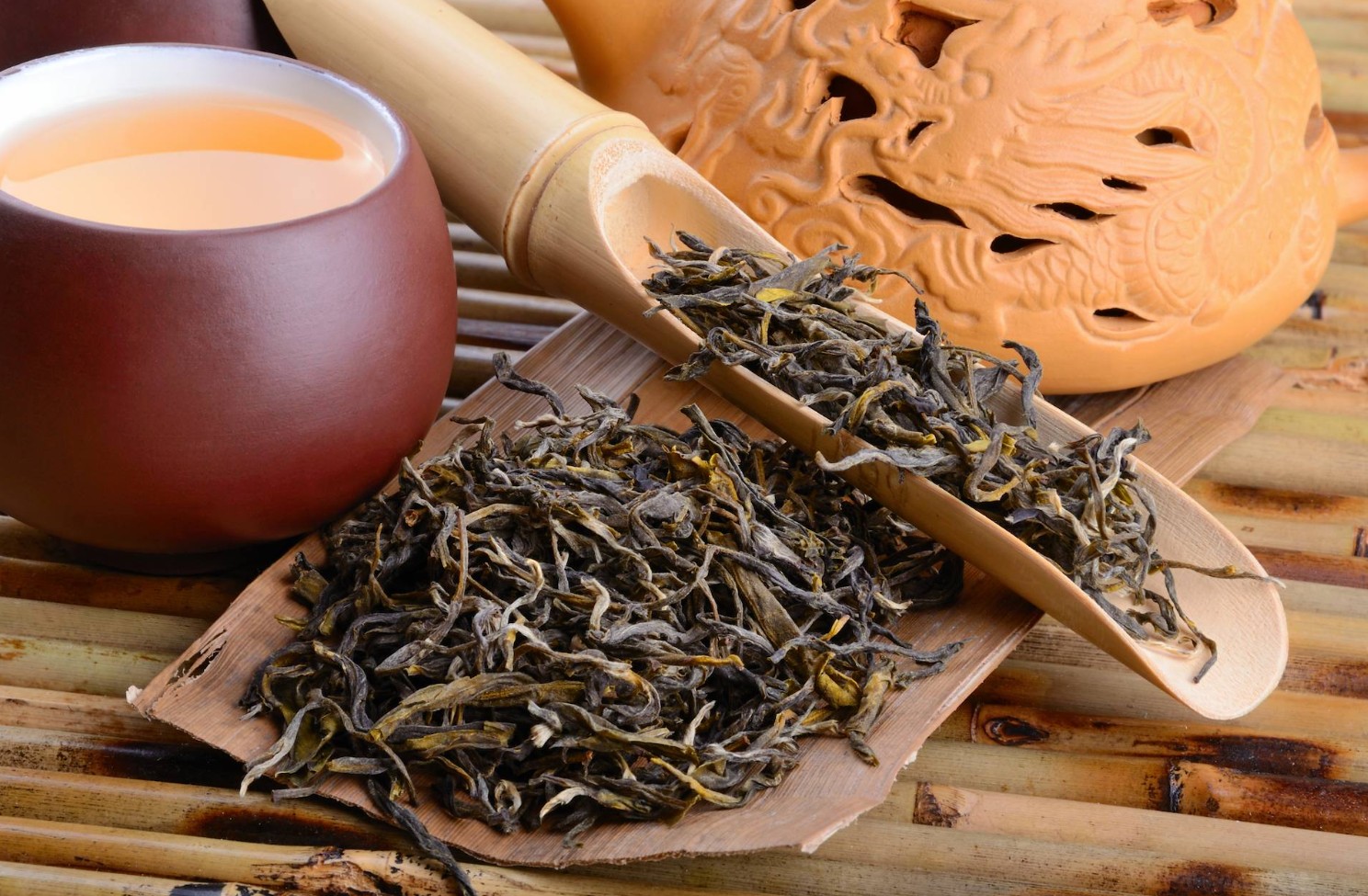
Oolong tea comes in a very wide variety of flavors. In its processing the leaves are withered, allowed to partially oxidize, and then are rolled and dried. Some oolongs are roasted an extra time as well. The level of oxidation depends on the specific variety of oolong tea, which is why the flavor can differ a lot depending on the exact type.
Black Tea
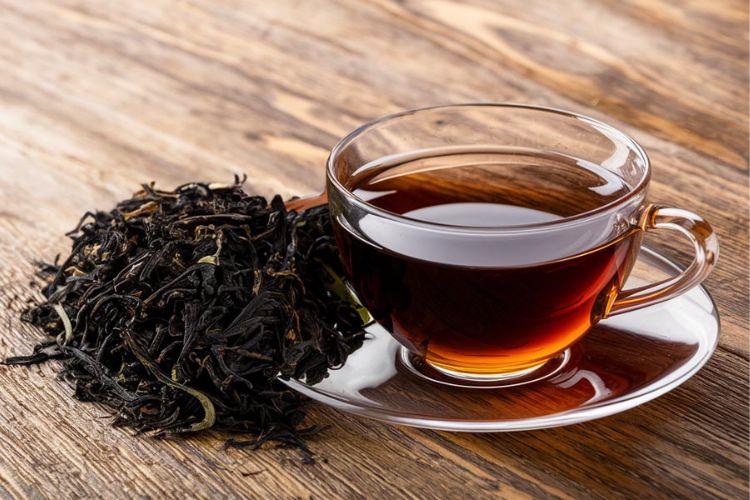
Also known as "red tea" in China, black tea is more processed than any of the previous types of tea. The leaves are withered, rolled, and then allowed to oxidize fully. Black teas often have a very bold flavor, but do come in all kinds of flavors and can be milder flavored as well. This is generally the tea category which some people may have with milk or sugar, due to the flavor of the tea typically being strong enough to not be masked by the flavors of milk and sugar (which would drown out the subtle flavors of most white teas for instance). At 40-70mg of caffeine per 8oz cup, black tea is the tea category closest to coffee in terms of caffeine content.
Dark Tea
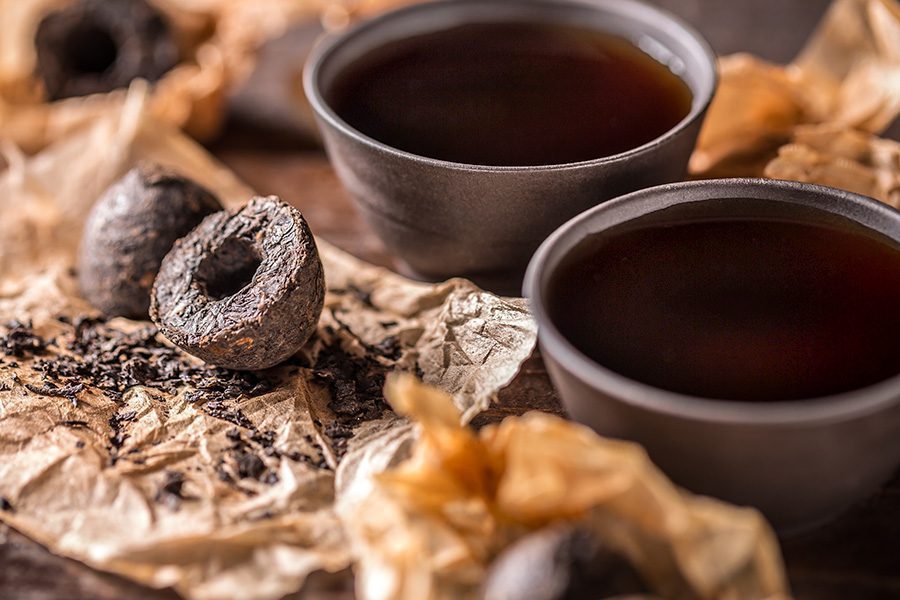
Dark tea has various subtypes, the most famous of which is pu-erh tea. Dark tea is unique in that it goes through a post-fermentation process to give it its unique flavor. After the leaves are withered and rolled, they spend weeks or months undergoing microbial fermentation before finally being dried and oftentimes compressed into cakes for people to buy. Some dark teas are also aged for years, allowing the flavors to change in interesting ways.
Herbal Tea
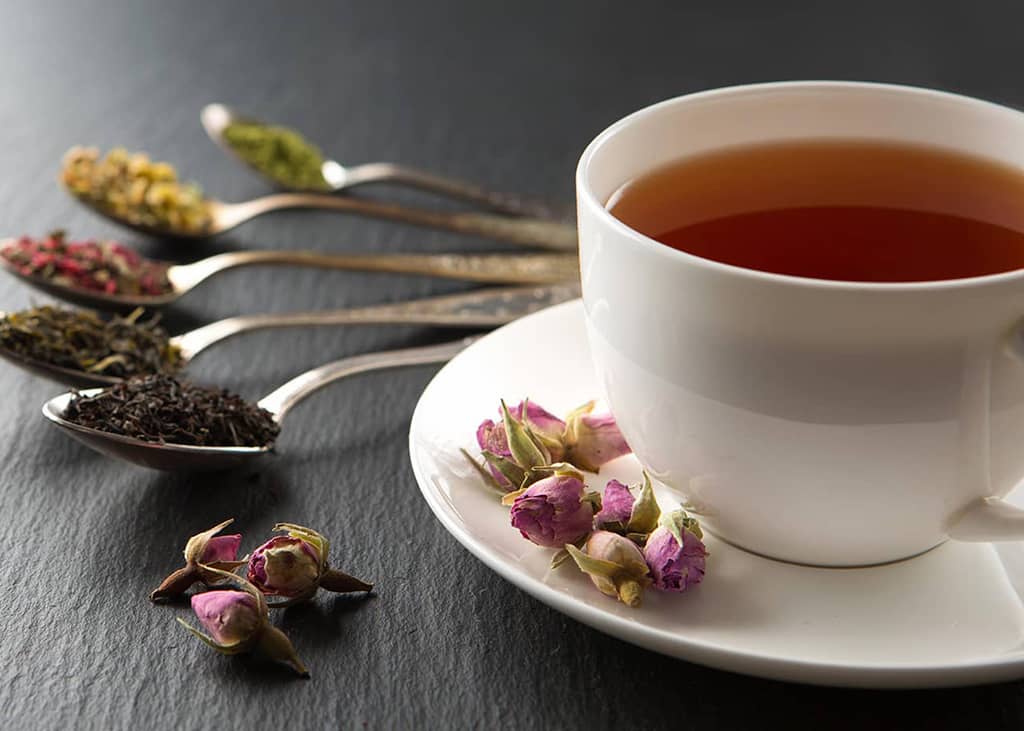
Herbal teas, also known as tisanes or infusions, are "teas" made from any plants other than the tea plant Camellia Sinensis. These teas can be made with herbs, spices, fruits, flowers, leaves, roots, grasses, etc. Most are entirely caffeine free, but a select few may have caffeine from plants like yerba mate or guayusa.
Matcha
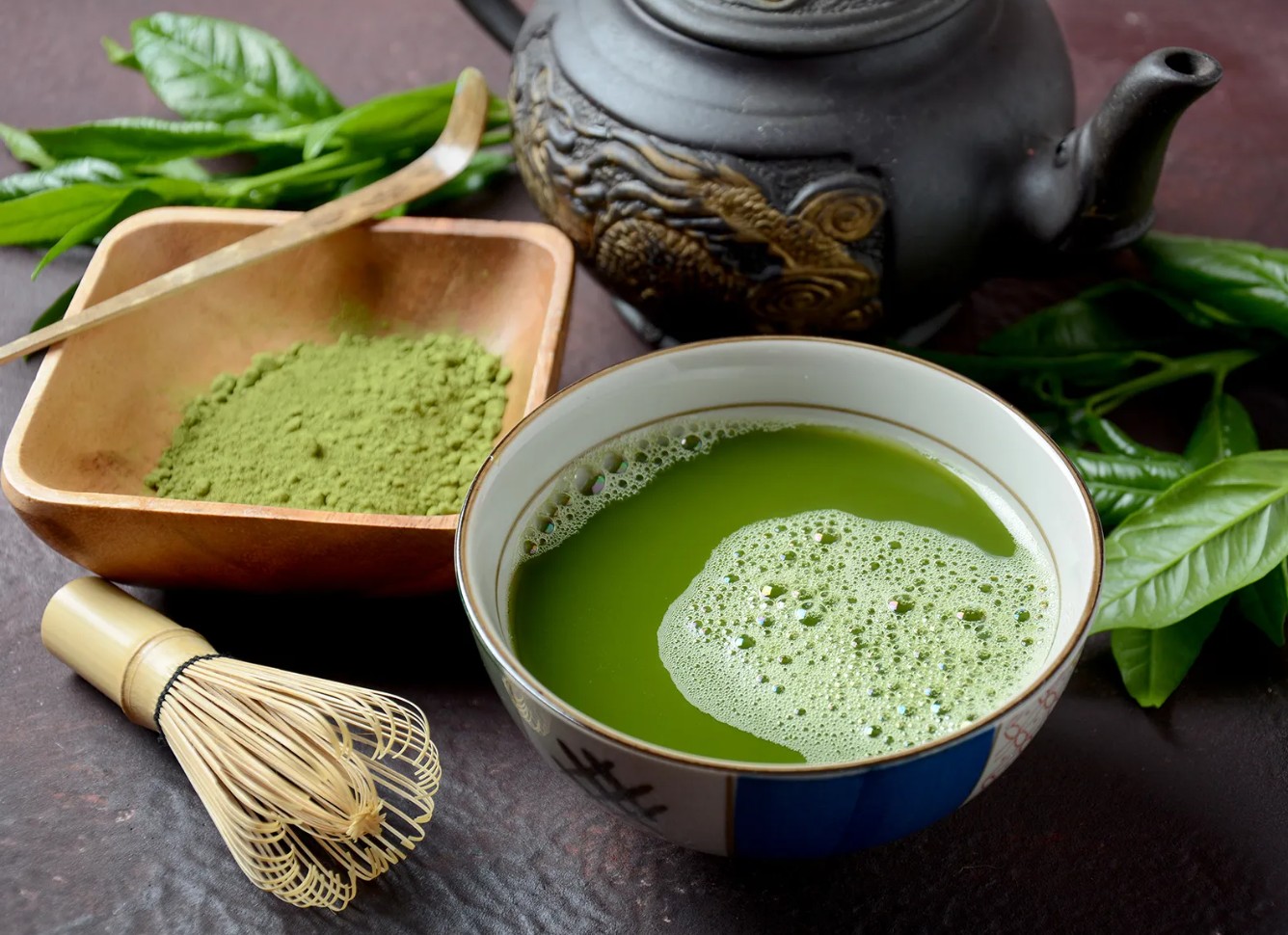
Matcha is a green tea, but I wanted to give it its own category here because of its uniqueness as a tea made from whole leaves in powdered form. Since you're consuming more of the leaf than with standard green tea by drinking the powder with your tea, you get a much stronger flavor and also more caffeine.
Western vs Eastern Style Brewing
There are two very different ways of brewing tea, eastern and western. There are various brewing methods within the eastern category really, but for now I'll just be speaking specifically on the gongfu brewing style rather than any others because gongfu brewing is the most popular one at the moment and yields great tasting tea. Western style brewing involves using a smaller amount of tea leaves and larger amount of water to brew your tea, generally only steeping the leaves one time for a few minutes or a bit longer. Gongfu brewing on the other hand uses a larger amount of tea leaves with a smaller amount of water, and it's best to brew the tea in a gaiwan or something similar. Unlike with western style, there are multiple steeps which start off being 5-30 seconds each and gradually increase with each steep. After each steep, you pour the tea out into cups and then continue with doing however many steeps you want before the tea leaves lose too much of their flavor. Gongfu brewing allows you to experience the flavors of teas in a different way and sometimes unlocks more complex flavor profiles that you wouldn't be able to get through western brewing.
Health Benefits
Another amazing thing about tea is that it's also really great for one's health! True teas contain all kinds of compounds such as polyphenols, catechins, theaflavins, flavonoids, and amino acids like L-Theanine. These compounds can reduce risk of certain types of cancer, lower inflammation and oxidative damage, reduce cortisol which therefore lowers stress, improve brain function, and bring even more cool health benefits (I'll include more of these here someday) which there have been a great many studies on. Herbal teas do not have the same compounds as they are not true teas, but they come with their own benefits such as ginger tea calming an upset stomach and soothing a sore throat due to ginger having anti-inflammatory properties, and chamomile tea lowering anxiety and encouraging sleepiness through an antioxidant found in chamomile. This makes true teas and herbal teas even more fun to consume, because you know you're benefitting from them in ways that you wouldn't from other drinks.
Everything Else
Naturally there's far more I haven't dived into because there's just so much to talk about and I don't want to overcrowd this page, but I hope to add more to this eventually! The health benefits alone deserve their own page with more info at some point, and I'll create additional pages exploring things like tea ceremonies as well!